Microchip Requirements: Everything You Need to Know
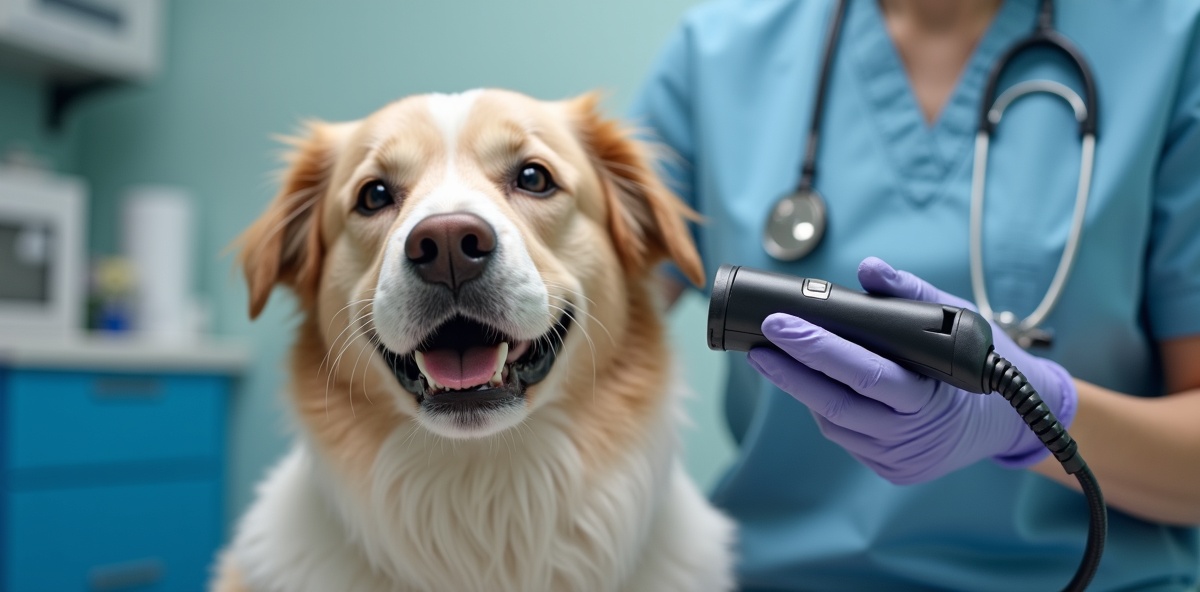
Microchipping is the foundation of Japan's pet import process. Understanding the specific microchip requirements, timing, and documentation is crucial for successfully bringing your pet to Japan. This comprehensive guide covers everything you need to know about microchip requirements for pet travel to Japan.
Why Microchipping Matters
The microchip serves as your pet's unique identifier throughout the entire import process. Every document, vaccination record, and test result must reference the same microchip number. This ensures that all procedures have been performed on the correct animal and prevents fraud or mix-ups.
In Japan's pet import system, the microchip is not just a form of identification—it's the cornerstone that links all other requirements together. Without a properly implanted, ISO-compliant microchip, your pet cannot enter Japan.
ISO Compliance Requirements
Japan requires microchips that comply with ISO (International Organization for Standardization) standards 11784 or 11785. These standards ensure that the microchip can be read by universal scanners used by Japanese authorities.
ISO 11784 and 11785 Standards
ISO-compliant microchips have specific characteristics:
- 15-digit numeric code: The microchip number must be exactly 15 digits
- 134.2 kHz frequency: This is the international standard frequency
- Read-only technology: The chip cannot be reprogrammed or altered
- Universal readability: Can be read by any ISO-compliant scanner
Critical Warning: Non-ISO compliant microchips (such as some older chips used in the United States) are not acceptable. If your pet has a non-compliant chip, a new ISO-compliant chip must be implanted, and all subsequent vaccinations must be repeated.
Checking Your Pet's Current Microchip
If your pet already has a microchip, you need to verify its compliance:
- Ask your veterinarian to scan the chip and confirm it's ISO-compliant
- Verify the microchip number is exactly 15 digits
- Check the microchip documentation for ISO 11784 or 11785 certification
- Ensure the chip is readable with a universal scanner
Microchip Implantation Process
When to Implant
The microchip must be implanted before any rabies vaccinations that will be used for Japan entry. This is the most critical timing requirement in the entire process. The sequence must be:
- 1. Microchip implantation
- 2. Wait at least 30 days
- 3. First rabies vaccination
- 4. Continue with remaining requirements
If your pet receives rabies vaccinations before the microchip is implanted, those vaccinations will not count toward Japan's requirements, and you'll need to start the vaccination process over.
The Implantation Procedure
Microchip implantation is a quick and relatively painless procedure:
- The microchip is about the size of a grain of rice
- It's injected under the skin between the shoulder blades
- No anesthesia is required (similar to a vaccination)
- The procedure takes only a few seconds
- Most pets experience minimal discomfort
After implantation, the veterinarian will immediately scan the chip to verify it's working correctly and record the number.
Location of Implantation
The standard location for microchip implantation is:
- Between the shoulder blades (dorsal midline)
- Subcutaneous (under the skin, not in muscle)
- Easily accessible for scanning
While microchips can occasionally migrate slightly from the implantation site, they typically remain in the general area and are easily detectable with a scanner.
Documentation Requirements
Proper documentation of microchip implantation is essential. Your veterinarian should provide a certificate that includes:
- Pet owner's name and contact information
- Pet's description (species, breed, age, sex, color)
- Microchip number (15 digits)
- Date of implantation
- Microchip manufacturer and model
- Confirmation of ISO 11784/11785 compliance
- Veterinarian's name, signature, and license number
- Clinic name and address
Important: Keep the original microchip certificate and make multiple copies. This document will be referenced throughout the entire import process.
Microchip Registration
While not required by Japan, it's highly recommended to register your pet's microchip in an international database:
- PetLink: International microchip registry
- Petmaxx: Global pet recovery network
- AAHA Universal Pet Microchip Lookup: Searches multiple databases
Registration ensures that if your pet is ever lost, they can be identified and returned to you. Update your contact information in the registry when you move to Japan.
Common Microchip Issues and Solutions
Issue 1: Non-ISO Compliant Microchip
Problem: Your pet has a microchip that doesn't meet ISO standards.
Solution: A new ISO-compliant microchip must be implanted. All rabies vaccinations must then be repeated after the new chip is in place. This effectively restarts your timeline.
Issue 2: Microchip Number Inconsistencies
Problem: Different documents show different microchip numbers due to transcription errors.
Solution: Verify the correct number by having your vet scan the chip. Obtain corrected certificates from your veterinarian for any documents with errors. All documents must show the exact same number.
Issue 3: Unreadable Microchip
Problem: The microchip cannot be detected by scanners.
Solution: This is rare but can happen if the chip fails or migrates to an unusual location. Try different scanners and scanning techniques. If the chip truly cannot be read, a new chip must be implanted and the process restarted.
Issue 4: Vaccinations Before Microchip
Problem: Rabies vaccinations were administered before microchip implantation.
Solution: Unfortunately, these vaccinations don't count. After microchip implantation, you must wait 30 days and then restart the vaccination protocol with two new rabies vaccinations.
Microchip Verification at Entry
When your pet arrives in Japan, one of the first things Animal Quarantine Service officials will do is scan the microchip. They will:
- Verify the chip is ISO-compliant and readable
- Confirm the number matches all documentation
- Check that the chip is in the standard location
- Record the verification in their system
If there are any discrepancies between the microchip number and your documentation, your pet may be denied entry or face extended quarantine while the issue is resolved.
Best Practices for Microchip Management
1. Verify Compliance Early
As soon as you know you'll be moving to Japan, have your veterinarian verify your pet's microchip compliance. This gives you time to address any issues before starting the vaccination process.
2. Double-Check All Documents
Every time you receive a new certificate or document, verify that the microchip number is correct. A single digit error can cause major problems.
3. Keep Detailed Records
Maintain a file with:
- Original microchip certificate
- Copies of all documents referencing the microchip
- Photos of the microchip number on certificates
- Digital scans of all paperwork
4. Regular Scanning
Have your veterinarian scan the microchip at each visit to ensure it remains readable. This is especially important before major milestones like blood tests or departure.
5. Bring a Scanner if Possible
Some pet owners purchase a universal microchip scanner for peace of mind. While not necessary, it allows you to verify the chip is readable at any time.
Microchip Technology and Safety
Pet owners often have questions about microchip safety:
Are Microchips Safe?
Yes, microchips are very safe:
- Made from biocompatible materials (usually glass)
- No battery or power source required
- Passive technology—only activates when scanned
- Millions of pets have been safely microchipped worldwide
- Adverse reactions are extremely rare
Do Microchips Track Location?
No, microchips do not have GPS or tracking capabilities. They only store a unique identification number that can be read when scanned. The chip cannot track your pet's location or movements.
How Long Do Microchips Last?
Microchips are designed to last for your pet's entire lifetime. They have no battery to replace and no moving parts to wear out. Once implanted, the chip should remain functional indefinitely.
Cost Considerations
Microchip implantation costs vary by location and veterinary clinic:
- Implantation: Typically $25-75 USD
- Registration: Usually $15-20 USD (one-time or annual fee)
- Verification scans: Often included in regular vet visits
This is a small investment compared to the overall cost of pet relocation and provides permanent identification for your pet.
Conclusion
The microchip is the foundation of your pet's journey to Japan. Ensuring you have an ISO-compliant microchip properly implanted before starting the vaccination process is crucial for success. Take the time to verify compliance, maintain accurate documentation, and keep detailed records of the microchip number.
By understanding and following the microchip requirements carefully, you'll avoid one of the most common pitfalls in the pet import process and set yourself up for a smooth entry into Japan. Remember: the microchip must come first, and everything else follows from there.
Consult with Our Experts Now
Don't risk your pet's quarantine. Get personalized guidance from our specialists who have successfully helped hundreds of families bring their pets to Japan safely.